


The Long History of Scotland and Football
11th Jun 2026Back in November 2025, there was a goal that rocked Scotland. In fact, it registered as an earthquake in Glasgow. It was the goal that secured Scotland its spot in the 2026 FIFA World Cup, the first time the men’s team will attend in nearly 30 years.
And while we may not be able to watch Scotland play on the world stage as often as we’d like, the country is no stranger to the sport of football. In fact, it has some of the oldest ties to the sport.
The World’s Oldest Football
Did you know that Scotland is home to the world's oldest surviving football? There's even a chance it once belonged to Mary, Queen of Scots herself.
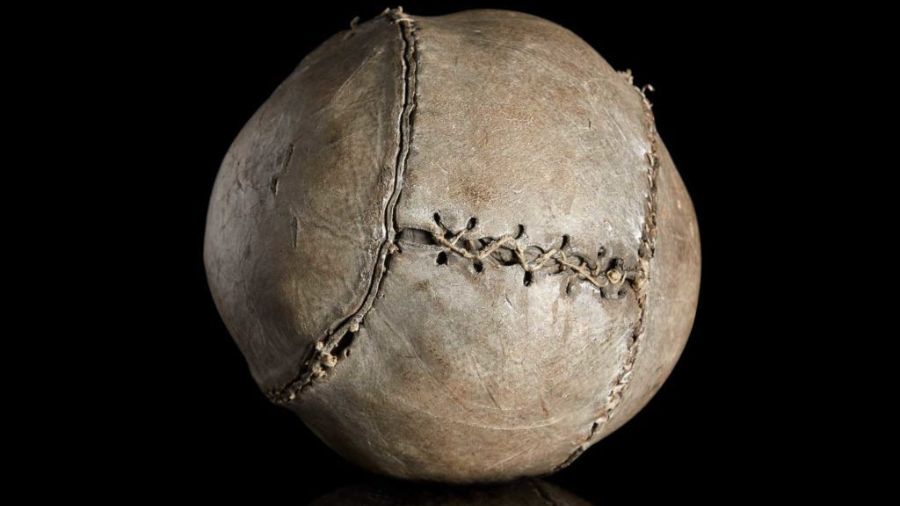
World’s oldest football, on display at The Stirling Smith Art Gallery & Museum
Hidden inside Stirling Castle for nearly 500 years, this leather ball was discovered during restoration work in the 1970s. It had been tucked behind wooden panelling in the Queen's Chamber since the 1540s, the very rooms where a young Mary, Queen of Scots once lived.
While there's no evidence that the ball belonged to Mary herself, historical records tell us she enjoyed sports, including football.
Made from stitched leather and originally filled with an inflated pig's bladder, the ball even bears signs of repair, suggesting it wasn't just on display. It was regularly played with and well used.
Today, it stands not just as a relic, but as a reminder that even centuries ago, the love of the game was already deeply woven into Scotland’s history.
Edinburgh’s Hearts and Hibs
Edinburgh's two biggest football clubs (and yes, their rather heated rivalry) both have roots in the city centre, the areas of Scotland’s capital that we hold most dear.
Both Hearts and Hibs were founded in the 1870s, and their stories begin just a short walk apart in Edinburgh's Old Town.
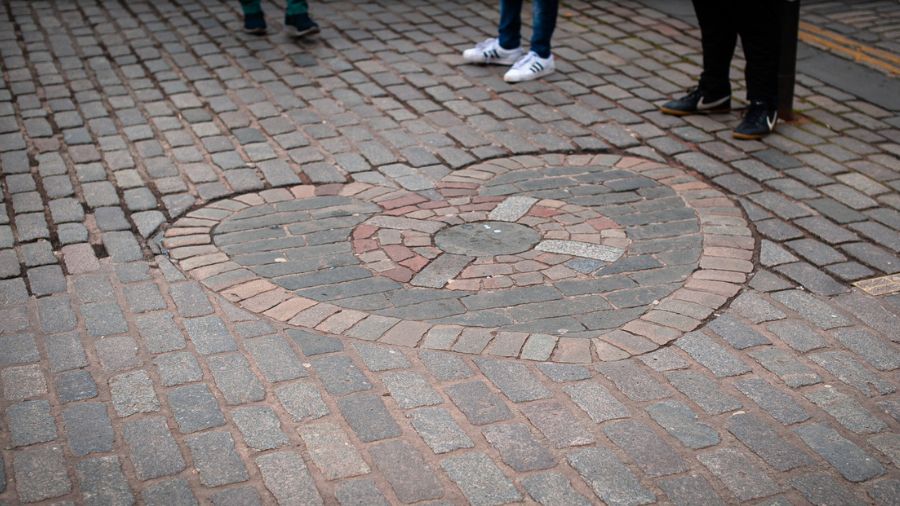
Heart of Midlothian, next to St Giles’ Cathedral
Founded by a group of friends from a local quadrille club in 1874, Heart of Midlothian Football Club took its name from the Heart of Midlothian on Edinburgh's Royal Mile. The area itself was named after Sir Walter Scott's novel of the same name.
The site of the Old Tolbooth—once council chamber, prison and tax office—is now marked by the famous Heart mosaic.
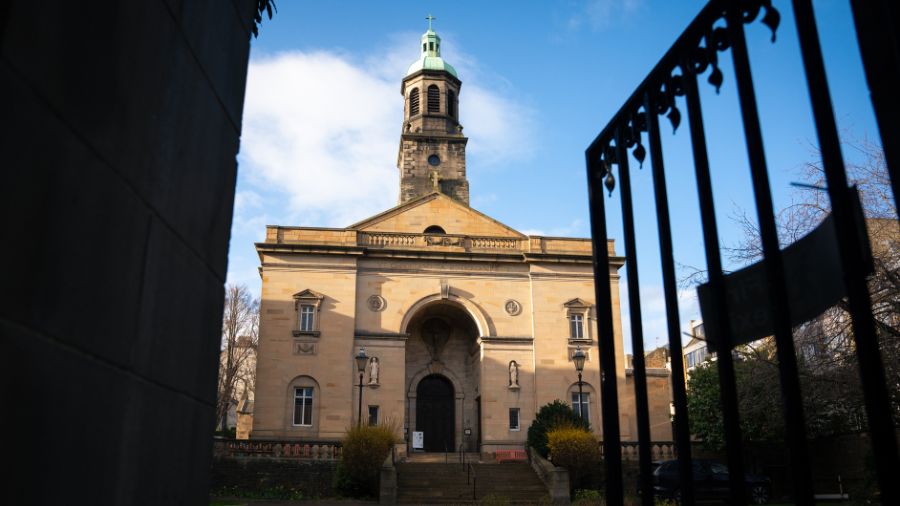
St Patrick’s Church, Cowgate, Edinburgh
Just down from the Royal Mile, in the Cowgate, stands St Patrick's Church. It was here in 1875 that Edward Joseph Hannan, an Irish priest, founded Hibernian Football Club to serve Edinburgh's growing Irish community.
In the19th century, this area of Edinburgh was known as Little Ireland, a place where immigrant communities gathered. It was also in this area where the city’s poorest citizens sought out any accommodation they could, including the Edinburgh Vaults.
The first match between these two clubs took place on the Meadows, on Christmas Day in 1875. Despite their divide on the pitch, both clubs share a common origin in the heart of Edinburgh's Old Town.
This month, Scotland play at the men’s FIFA World Cup for the first time since 1998. Across the country, fans will be celebrating—especially since we have an extra Bank Holiday for it.
Join us for a tour of Edinburgh and learn more about the place where football has played an important role in history, and discover the people who were around to witness the beginnings of great sporting rivalries.